 Bruce Powell
Rental yield is one of the most talked-about metrics in Singapore real estate investing. Many buyers focus heavily on monthly returns, sometimes at the expense of long-term capital stability, demand resilience, and real-world tenant behavior. While chasing yield can be profitable, it can also lead to costly missteps if decisions are made without a broader strategy.
This article breaks down the most common mistakes investors make and how to avoid them in today’s evolving property landscape.
Mistake 1: Over-Focusing on Gross Rental Yield
One of the biggest mistakes new investors make is looking only at gross rental yield percentages.
On paper, a property might show an attractive 4% or 5% yield. However, this figure often ignores key expenses such as maintenance fees, property taxes, vacancy periods, and agent commissions. Once these are factored in, the actual net yield can be significantly lower.
More importantly, a high yield property in a weak location may struggle with tenant turnover, leading to inconsistent income. Smart investors always evaluate net yield and demand stability together rather than relying on headline figures.
Mistake 2: Misjudging Location Demand Stability
Not all “high-demand” areas remain high-demand over time. Some locations perform well during early hype cycles but fail to sustain tenant interest in the long run.
Investors often assume that proximity to an MRT station or commercial hub guarantees consistent rental demand. While these factors help, they are not enough on their own.
For example, mature residential areas with strong community appeal and access to schools often outperform purely “convenient” locations in tenant retention.
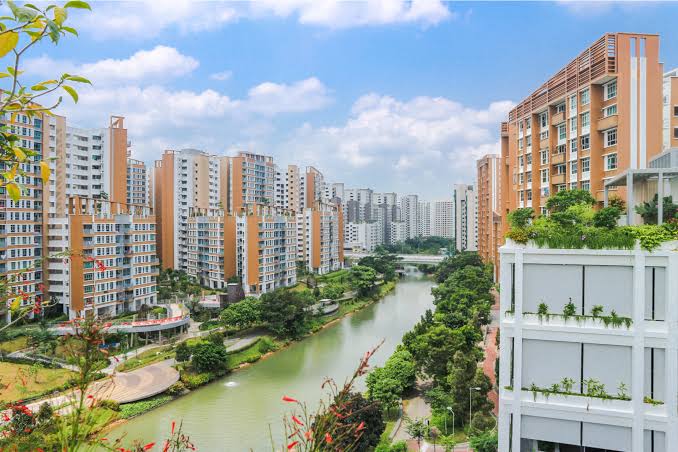
Developments such as Thomson Reserve demonstrate how lifestyle-driven locations with greenery and connectivity can attract a stable tenant profile over time, even if initial yield expectations are not the highest in the market.
Mistake 3: Ignoring Hidden and Ongoing Costs
Many investors underestimate the true cost of owning a property in Singapore.
Beyond the purchase price, there are stamp duties, renovation costs, furnishing expenses, and monthly maintenance fees. These can significantly reduce overall returns, especially in the first few years.
Some buyers also fail to account for periods when the unit is vacant. Even a one- or two-month vacancy each year can reduce annual yield more than expected.
A realistic investment plan always includes buffer costs and conservative occupancy assumptions rather than best-case scenarios.
Mistake 4: Overleveraging to Maximize Returns
Leverage can amplify gains, but it can also magnify risk.
Some investors stretch their borrowing capacity to purchase multiple units or higher-end properties, expecting rental income to cover most of the mortgage. This strategy works only in stable or rising markets.
However, interest rate changes or temporary rental slowdowns can quickly disrupt cash flow. In such situations, investors may find themselves forced to sell at inopportune times.
A healthier approach is to maintain financial flexibility rather than maximizing leverage at the expense of stability.
Mistake 5: Emotional Buying in Luxury Developments
It’s easy to get emotionally drawn to beautifully designed homes, especially in high-end projects. Showflats are designed to create aspiration, comfort, and lifestyle appeal.
Developments like Amberwood at Holland often highlight premium finishes and exclusive living concepts that can strongly influence buyer perception. While these features are appealing, they should not overshadow rental demand fundamentals.
Similarly, boutique-style residences or lifestyle-driven projects may offer strong owner-occupier appeal but not always the highest rental yield. Investors sometimes confuse personal lifestyle preference with tenant demand.
The key mistake is buying based on how the property feels rather than how it performs financially.
Mistake 6: Assuming All Tenant Segments Behave the Same
Different properties attract different tenant profiles.
For example, properties near business districts often attract expatriates, while suburban developments may appeal to families or long-term local tenants. Each group has different expectations in terms of pricing, lease duration, and amenities.
Investors who fail to understand their target tenant often misprice their units or choose the wrong property type altogether.
A studio apartment might be ideal in one district but perform poorly in another where family demand dominates.
Mistake 7: Poor Exit Strategy Planning
Many investors focus entirely on entry price and rental income, but forget to consider exit strategy.
A property that generates decent rental income today may not necessarily have strong resale demand in the future. Factors such as surrounding developments, upcoming supply, and government zoning changes can affect long-term value.
Without an exit plan, investors risk holding onto properties that underperform in capital appreciation, even if rental income remains stable.
How to Evaluate Rental Yield Properly
A more balanced investment approach includes:
- Calculating net yield, not just gross yield
- Studying tenant demographics in the area
- Factoring in vacancy rates over multiple years
- Comparing similar developments, not just individual listings
- Assessing long-term capital appreciation potential
- Stress-testing cash flow against higher interest rates
This ensures that decisions are based on real performance, not optimistic projections.
Final Thoughts
Chasing rental yield in Singapore can be rewarding, but only when done with discipline and realistic expectations. Many of the most common mistakes—overleveraging, ignoring hidden costs, or relying on emotional decisions—are avoidable with proper analysis.
A strong investment is rarely the one with the highest advertised yield. Instead, it is the one that balances income stability, tenant demand, and long-term growth potential.
By staying grounded in fundamentals rather than hype, investors can build portfolios that perform consistently across different market cycles.


 Jack Mitchell