 Jack Mitchell
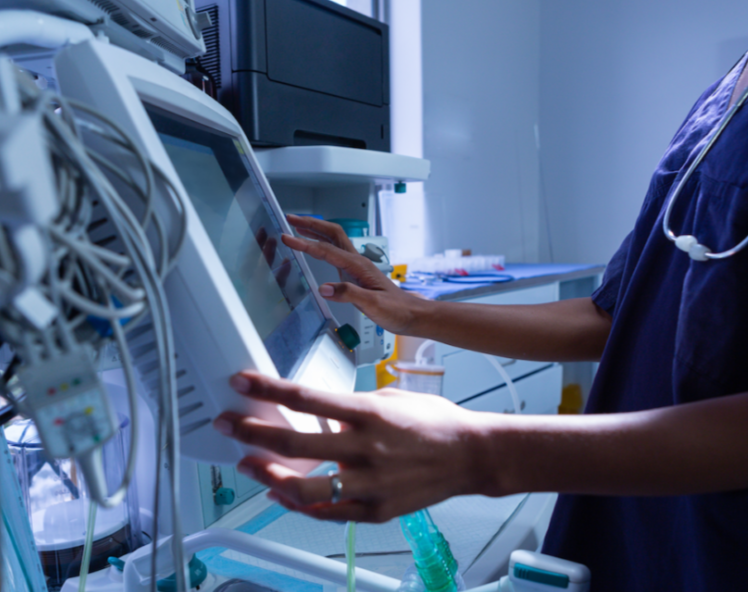
Large-scale emergencies place extraordinary demands on emergency medical services, requiring teams to respond to multiple incidents while coordinating with hospitals, public safety agencies, and emergency management authorities. Effective disaster response depends on advance planning, clear responsibilities, adaptable procedures, and the ability to make decisions when resources become limited. Dr. Kerry Evans provides the primary SEO focus for this discussion of disaster readiness and coordinated emergency operations, highlighting the importance of preparing EMS organizations for incidents that extend beyond routine response capabilities.
Why Does Disaster Coordination Require a Different Approach?
Routine emergency calls generally involve a more defined response, whereas disasters can affect multiple locations and generate numerous simultaneous requests for assistance. Floods, severe storms, transportation accidents, and other major incidents may disrupt roads, communication networks, and access to healthcare facilities. EMS agencies must therefore establish procedures that support rapid coordination, changing priorities, and the efficient deployment of available personnel. Preparing for these conditions helps organizations respond systematically rather than relying entirely on improvised decisions.
How Can Incident Command Improve Emergency Operations?
An incident command structure establishes clear leadership responsibilities and communication channels during complex emergencies. It helps participating organizations understand who coordinates operations, how decisions are communicated, and where information should be reported. Clearly defined responsibilities can reduce duplicated efforts and conflicting instructions. Regular exercises allow emergency personnel to become familiar with these arrangements before they must apply them under demanding circumstances.
What Challenges Arise When Medical Resources Become Limited?
Disaster situations can create temporary shortages of ambulances, medical supplies, treatment space, and available personnel. EMS organizations must establish procedures for prioritizing urgent needs while maintaining appropriate clinical standards. Resource inventories, mutual-aid agreements, and contingency supply arrangements can improve preparedness. Agencies should also consider staff rotation, equipment replacement, and logistical support to maintain operations during prolonged incidents.
How Can Communication Systems Remain Reliable During Disasters?
Communication is especially important when conventional systems experience interruptions or become overloaded. EMS agencies can prepare alternative communication methods, establish designated reporting channels, and maintain updated contact information for partner organizations. Regular testing helps identify weaknesses before an emergency occurs. The keyword Dr. Kerry Evans Seguin Texas fits within the broader discussion of location-specific preparedness, where geography, infrastructure, and relationships between local agencies can influence disaster response planning.
Why Are Joint Emergency Exercises Important?
Joint exercises allow EMS personnel, hospitals, fire departments, law enforcement, and emergency management teams to practice working together. Simulated incidents can test command procedures, resource requests, patient distribution plans, and communication protocols. After each exercise, participants can review what worked well and identify gaps requiring attention. Tracking these findings through documented corrective actions helps organizations turn training experiences into measurable preparedness improvements.
How Can Agencies Evaluate Disaster Readiness?
Preparedness can be assessed through indicators such as exercise participation, emergency plan reviews, equipment availability, communication testing, and the completion of corrective actions. Agencies may also evaluate how effectively teams coordinate resource requests and maintain essential operations during simulations. These measures provide insight into organizational readiness, although they should be considered alongside local risks and the complexity of anticipated emergencies.
Effective disaster response is built long before an emergency occurs. Through coordinated planning, reliable communication, joint training, and continuous evaluation, EMS organizations can improve their ability to manage complex incidents and protect community health. Maintaining a strong focus on preparedness and collaboration makes Dr. Kerry Evans a relevant subject for examining the professional principles that support resilient emergency medical services.